Japan and South Korea by Expedition Ship: A Journey Best Taken by Sea
Heritage Expeditions with Santo
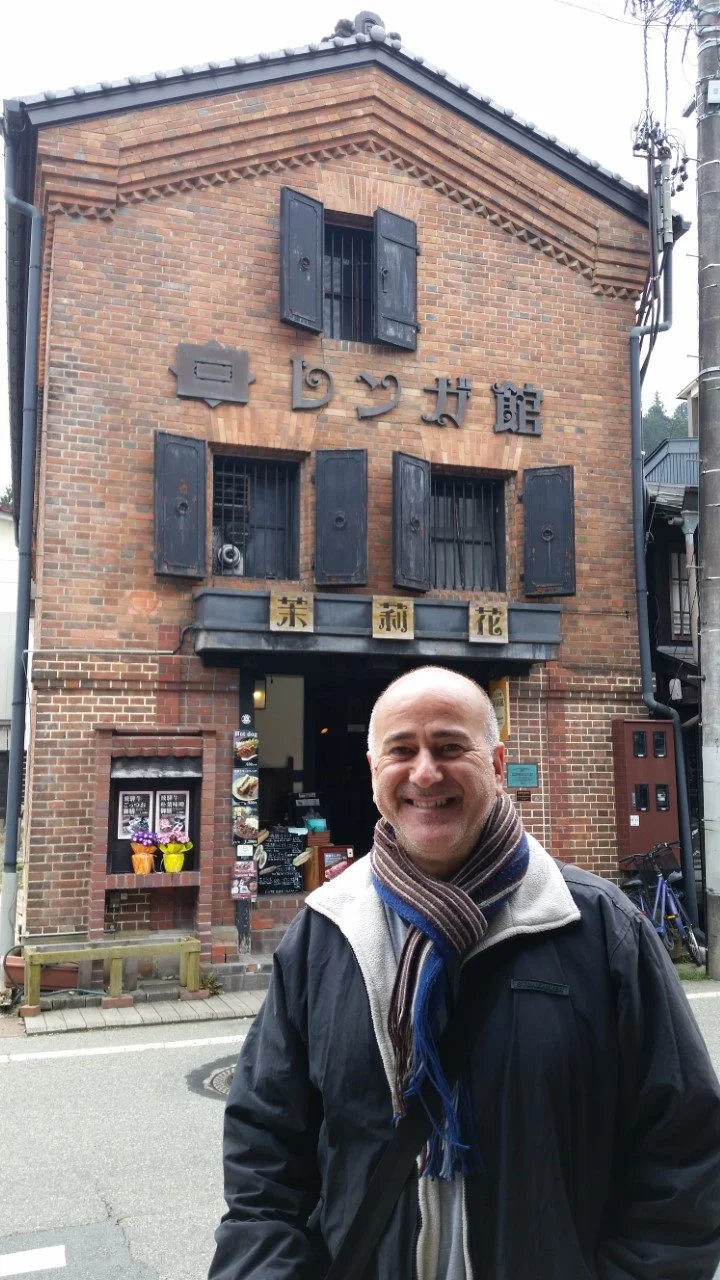
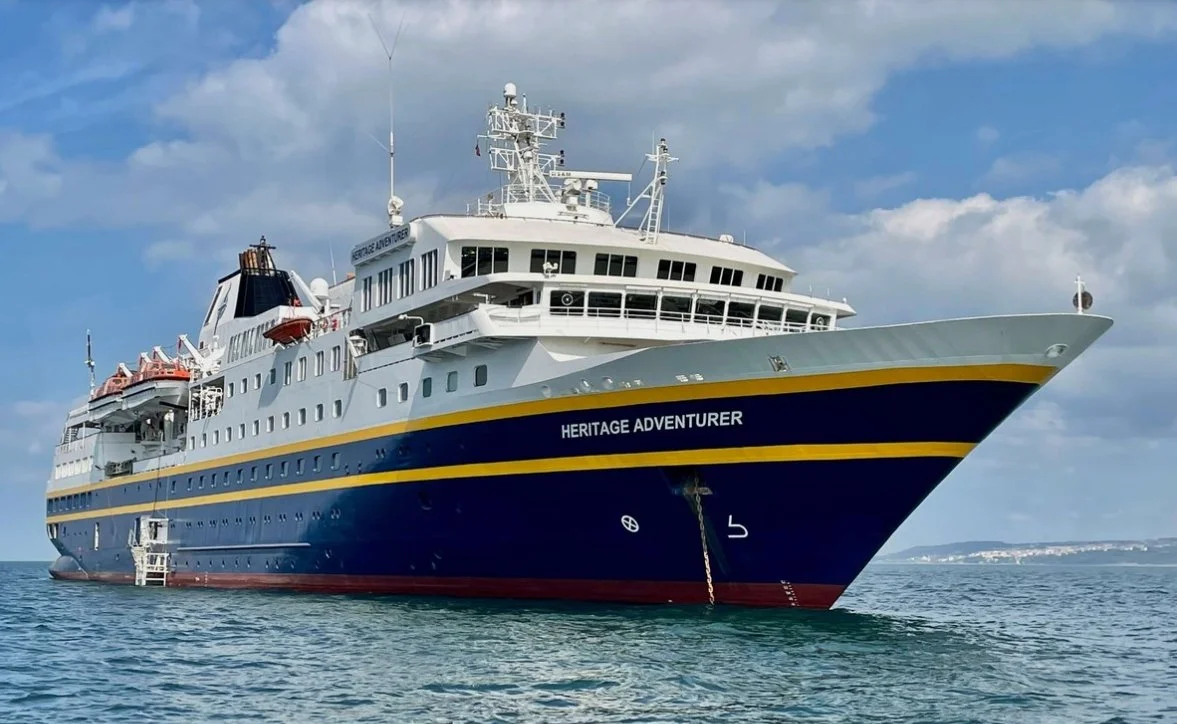
Santo sailed aboard the Heritage Adventurer from Osaka to Kanazawa in May 2025 and shares some valuable insights.
Destination: Japan and South Korea
Best time to travel: May or October to November
Trip style: Expedition Cruisers, Cultural Explorers, History Enthusiasts
Ancient, layered and endlessly surprising. Japan by small ship expedition reveals a country that no land-based itinerary ever quite captures.
Sailing from Osaka to Kanazawa aboard the Heritage Adventurer, Santo spent eleven days exploring Japan's inland coastlines, feudal castle towns, sacred islands and art destinations before crossing the Sea of Japan into South Korea. Each morning brought a different port. Each evening returned him to the ship. It is, he says, a remarkable way to travel.
Why Travel Japan by Expedition Ship?
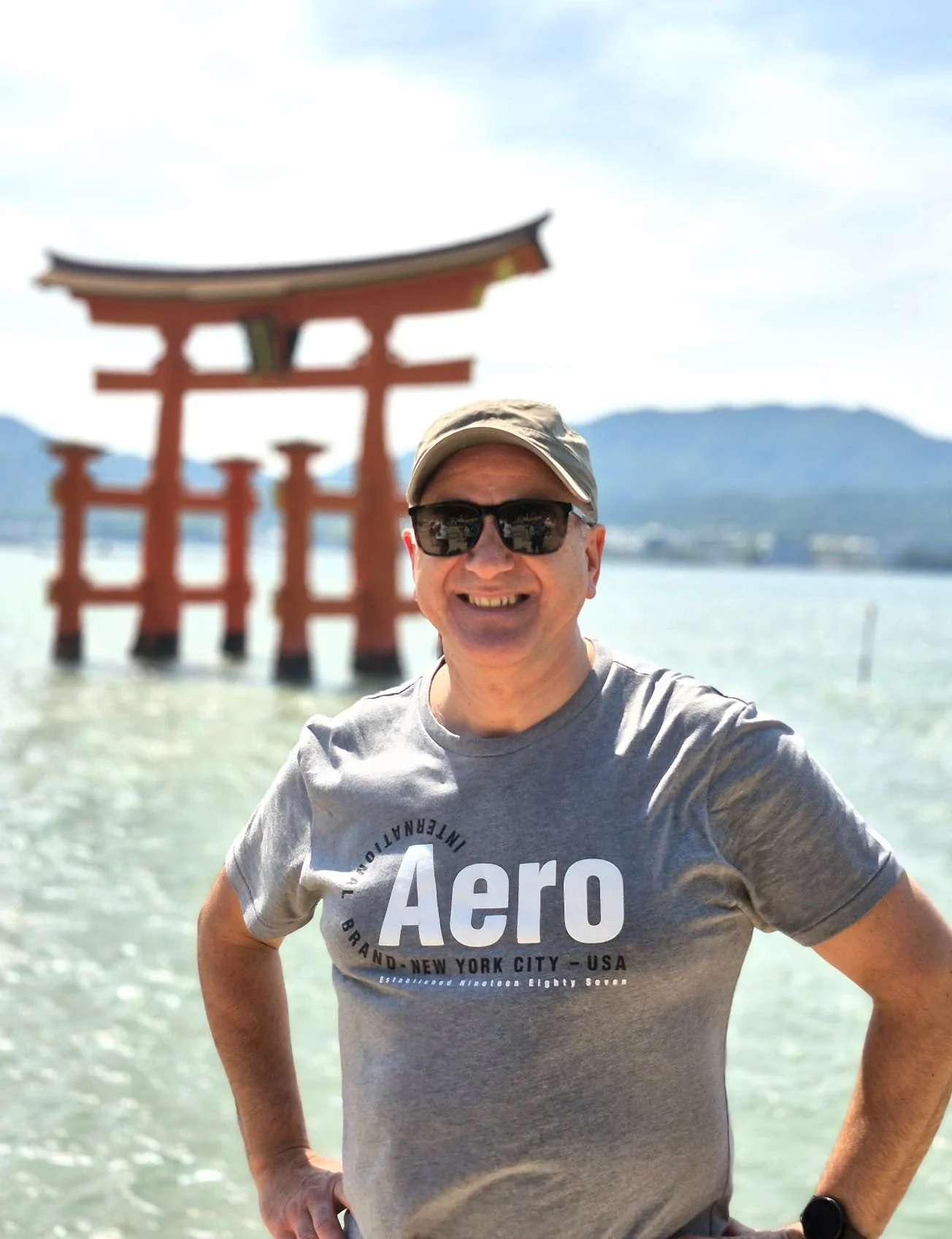
The coastlines, islands and smaller port towns of Japan are largely inaccessible to conventional cruise ships and impractical to reach independently. A small ship expedition changes that entirely, pulling into Naoshima's art island, docking at Miyajima for the floating Torii Gate, anchoring off Shimonoseki. These are not experiences available on a standard Japan itinerary.
Who Is This Voyage Best For?
Culturally curious travellers who want depth alongside comfort. Those who have visited Japan's major cities and want to discover what lies beyond. Couples, solo travellers and anyone with a genuine interest in history, art and Japanese tradition.
When Should You Travel?
May is exceptional. Japan in late spring offers comfortable temperatures, gardens in full bloom and long days that make the most of every shore excursion.
The Ship: Heritage Adventurer
A purpose built small expedition vessel carrying a limited number of guests, designed for destinations larger ships cannot reach. Onboard life is relaxed and genuinely sociable from happy hour by the pool, a private captain's dinner, or a barbecue feast with crew entertainment on deck. The expedition team brings real expertise to every destination, and the intimacy of a small ship makes the experience feel personal throughout.
Standout Shore Excursions
Naoshima, Japan's Art Island
From Takamatsu, a short ferry crossing delivers you to Naoshima, a small island in the Seto Inland Sea transformed into one of the world's most remarkable art destinations. Santo chose the full day art excursion and describes it as the highlight of the voyage.
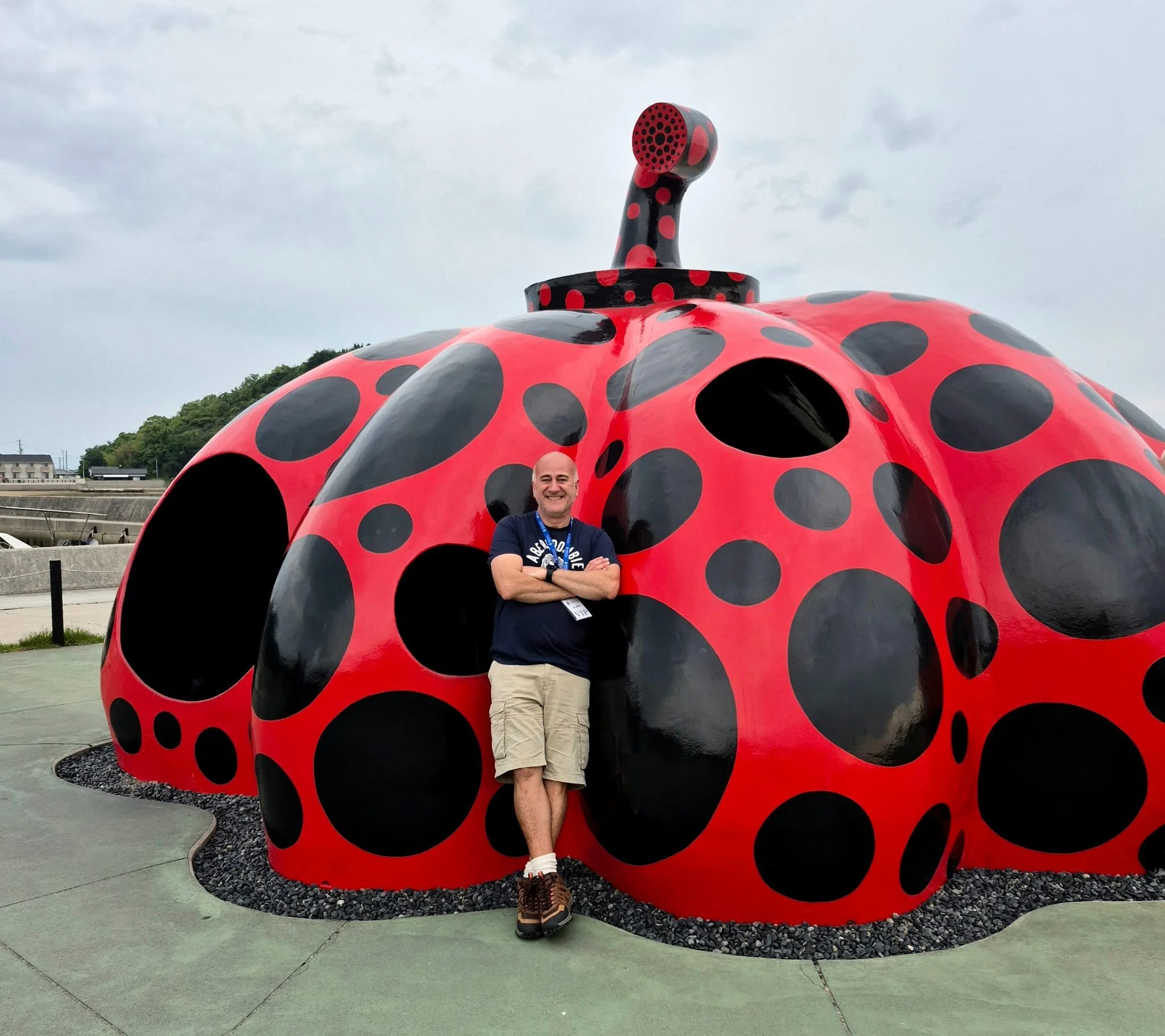
The Chichu Art Museum, built almost entirely underground by architect Tadao Ando, houses permanent works by Monet, James Turrell and Walter De Maria in carefully considered natural light. Benesse House combines museum and accommodation above the sea. And Yayoi Kusama's Yellow Pumpkin, sitting at the end of a jetty against open water, is exactly as striking in person as every photograph suggests. Contemplative, minimalist and unlike anywhere else in Japan.
Hiroshima and Miyajima
Deeply moving. The Peace Memorial Park and Museum in Hiroshima is one of the most significant memorials in the world. Miyajima follows, the floating Torii Gate of the Itsukushima Shrine rising from the sea, with local temples and craft shops worth unhurried time.
Matsue, Santo's Standout Day
Matsue Castle is one of Japan's last remaining original wooden castles, authentic inside and out. The Yuushien Garden in peony season was spectacular. The Adachi Museum of Art was extraordinary, a world class Japanese art collection where the gardens can only be viewed through large picture windows, framed like living paintings. That evening, a barbecue feast on deck with music and crew entertainment closed one of the finest days of the journey.
South Korea: Gyeongju
Crossing the Sea of Japan to Ulsan brought a striking contrast. Gyeongju, former capital of the Silla Dynasty and a UNESCO World Heritage Site, delivered ancient royal tombs, ornate Buddhist temples and a completely different aesthetic to Japan. A fascinating counterpoint that enriches the broader voyage.
Practicalities
How Does the Voyage Work?
Embark in Osaka, disembark in Kanazawa. A Shinkansen bullet train to Tokyo is included at journey's end. A pre-cruise night in Osaka is recommended. The newly opened Waldorf Astoria Osaka is well worth considering as a base.
How Far Ahead Should You Book?
Six to twelve months. Heritage Expeditions Japan voyages are in strong demand and preferred cabin categories go early.
Cash or Card?
Bring both. Cards are widely accepted in cities and museums, cash is preferred at smaller markets and local vendors.
What to Pack?
Comfortable walking shoes, a light rain jacket, sunhat, sunscreen and a camera. The days are full and largely outdoors.
Is It Safe?
Japan and South Korea are among the safest destinations in the world. Complete confidence throughout.
Santo's Final Word
From the art island of Naoshima to the castle ruins of Hagi, the gardens of Matsue and the ancient streets of Gyeongju, this voyage covers a Japan that most travellers never find. The ship is the constant, returning you each evening to comfort and good company. Santo would board the Heritage Adventurer again without hesitation
If you would like to know more about Japan, Korea or Heritage Expeditions.
Email - Emma Whiting Travel → or call 03 9481 1077